
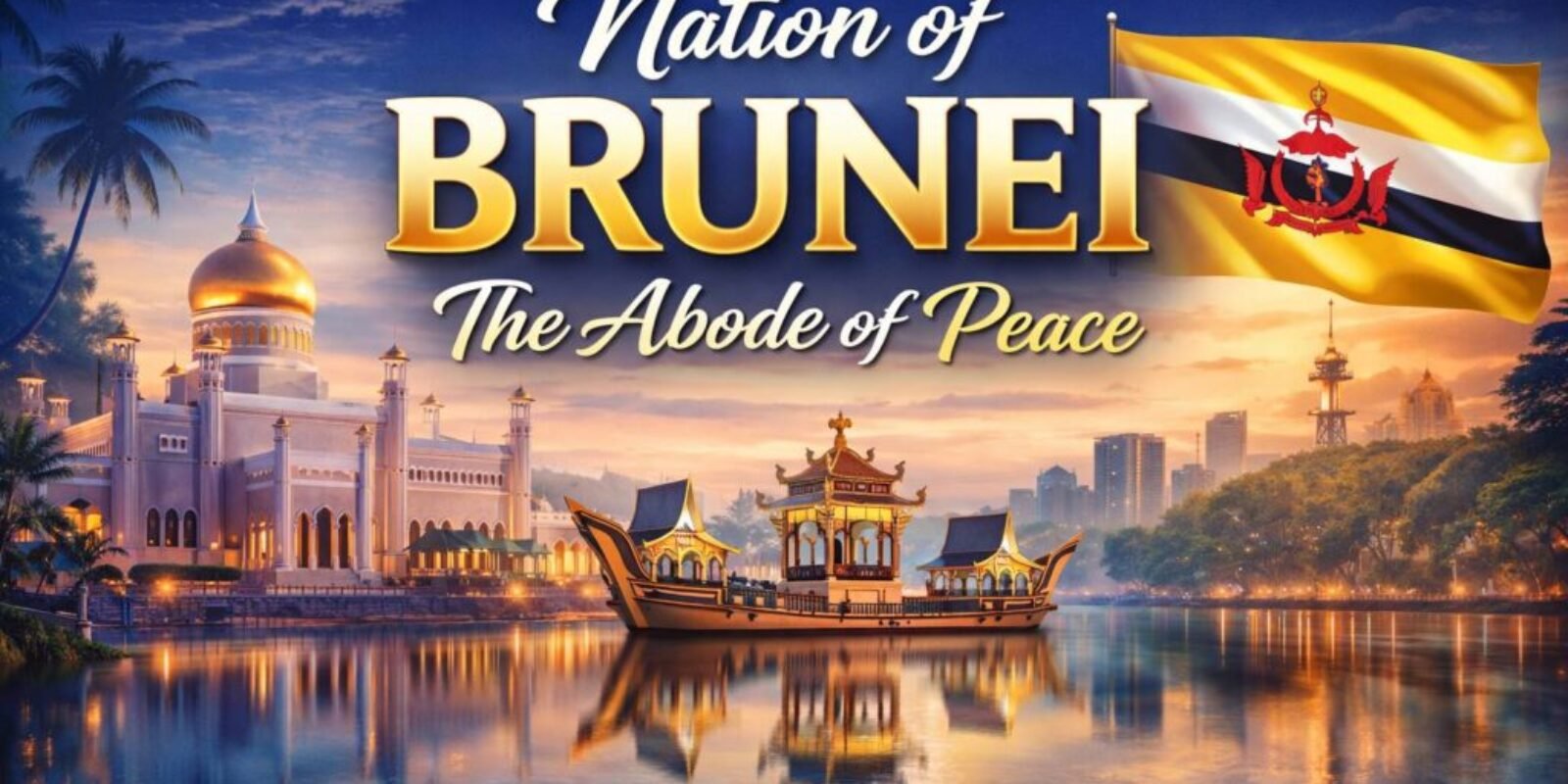
Nation of Brunei the Abode of Peace: Culture and Stability
The nation of Brunei, the abode of peace, is a small yet influential country on the northern coast of Borneo. Known for its political stability, strong governance, and wealth derived from natural resources, Brunei has developed a reputation for social harmony and public safety. Its national identity emphasizes tranquility and orderly living, which shapes both domestic policies and daily life.
Despite its size, Brunei demonstrates how a combination of governance, culture, and economic strategy can foster long-term stability. For those exploring Southeast Asia, Brunei offers insights into how historical traditions and modern administration can coexist while maintaining a peaceful environment.
What Makes Brunei Known as the Abode of Peace?
Brunei’s reputation as an “abode of peace” comes from its emphasis on social stability, low crime rates, and consistent governance. Citizens experience reliable public services, access to education, and structured legal frameworks, all of which contribute to a sense of safety and order.
The country’s small population allows for efficient implementation of policies that promote harmony. Unlike nations facing rapid urbanization or political unrest, Brunei maintains a deliberate pace of development. Common misconceptions about safety in Southeast Asia often overlook this controlled, measured approach, which directly supports the nation’s peaceful reputation.
How Brunei’s Geography and Governance Support Stability
Brunei’s geography, bordered almost entirely by Malaysia and with access to the South China Sea, allows for natural defense and manageable administrative control. Its territory is compact, making it easier to provide consistent public services across the country.
Governance under the absolute monarchy ensures swift policy implementation, from infrastructure projects to social welfare programs. While some observers may question the concentration of power, the Sultanate has historically used it to maintain order, avoid political fragmentation, and prevent internal conflict that can destabilize larger nations.
What Are the Cultural and Religious Influences on Peace
Islam, as the official religion, plays a central role in shaping Brunei’s social norms and legislation. Religious practices encourage communal respect, charity, and ethical conduct, which reinforces social harmony.
Cultural traditions also emphasize respect for authority and community cohesion. Understanding local etiquette and values is important for anyone living in or visiting Brunei, as adherence to these practices contributes to daily interactions that are calm and predictable, reducing conflicts and misunderstandings.
How Brunei Manages Its Economy and Public Welfare
Brunei’s economy is heavily based on oil and natural gas, providing significant revenue for public services. Citizens benefit from subsidized healthcare, free education, and housing support, which reduces social tension and fosters a sense of security.
Economic stability prevents the uncertainties that often lead to unrest in other regions. However, overreliance on natural resources can be a long-term risk. The government is aware of this and has begun exploring diversification strategies, balancing wealth management with sustainable development to preserve social stability.
What Visitors and Residents Should Know About Life in Brunei
Life in Brunei is structured and predictable, with clear regulations on public behavior, business, and social conduct. Visitors often notice the low crime rate and the orderly public spaces, which reflect national priorities on safety and civility.
For residents, the combination of cultural respect, religious guidance, and generous social welfare creates an environment where daily life is relatively stress-free. Those unfamiliar with local norms may initially misinterpret the formality, but understanding Brunei’s values allows for a smoother adjustment and appreciation of its peaceful society.
Conclusion
Brunei’s identity as the “abode of peace” is the result of deliberate governance, cultural cohesion, and economic management. Its small population, stable government, and strong social values work together to create a safe and harmonious environment.
While every country faces challenges, Brunei demonstrates how combining tradition, policy, and resource management can foster long-term stability. Observing its systems offers lessons in maintaining social peace while balancing modern economic and cultural needs.
Frequently Asked Questions (FAQs)
1. What makes the nation of Brunei the abode of peace unique?
Brunei’s small population, strong governance, and low crime rate create a stable environment. Its cultural traditions and Islamic values reinforce social harmony and public safety.
2. How safe is Brunei for residents and visitors?
Brunei consistently ranks as one of the safest countries in Southeast Asia. Strict law enforcement, orderly communities, and a focus on social cohesion reduce risks.
3. What role does religion play in Brunei’s peaceful society?
Islam guides daily life and legislation, promoting ethical behavior, respect, and charity. Religious practices strengthen community bonds and reduce social conflicts.
4. How does Brunei’s economy support national stability?
Revenue from oil and gas funds public welfare programs, including healthcare and education. Economic security helps maintain social peace and reduces inequality.
5. What should tourists know about living or visiting Brunei?
Visitors should respect local customs, dress codes, and religious observances. Understanding cultural norms ensures smooth interactions and a safe, predictable experience.