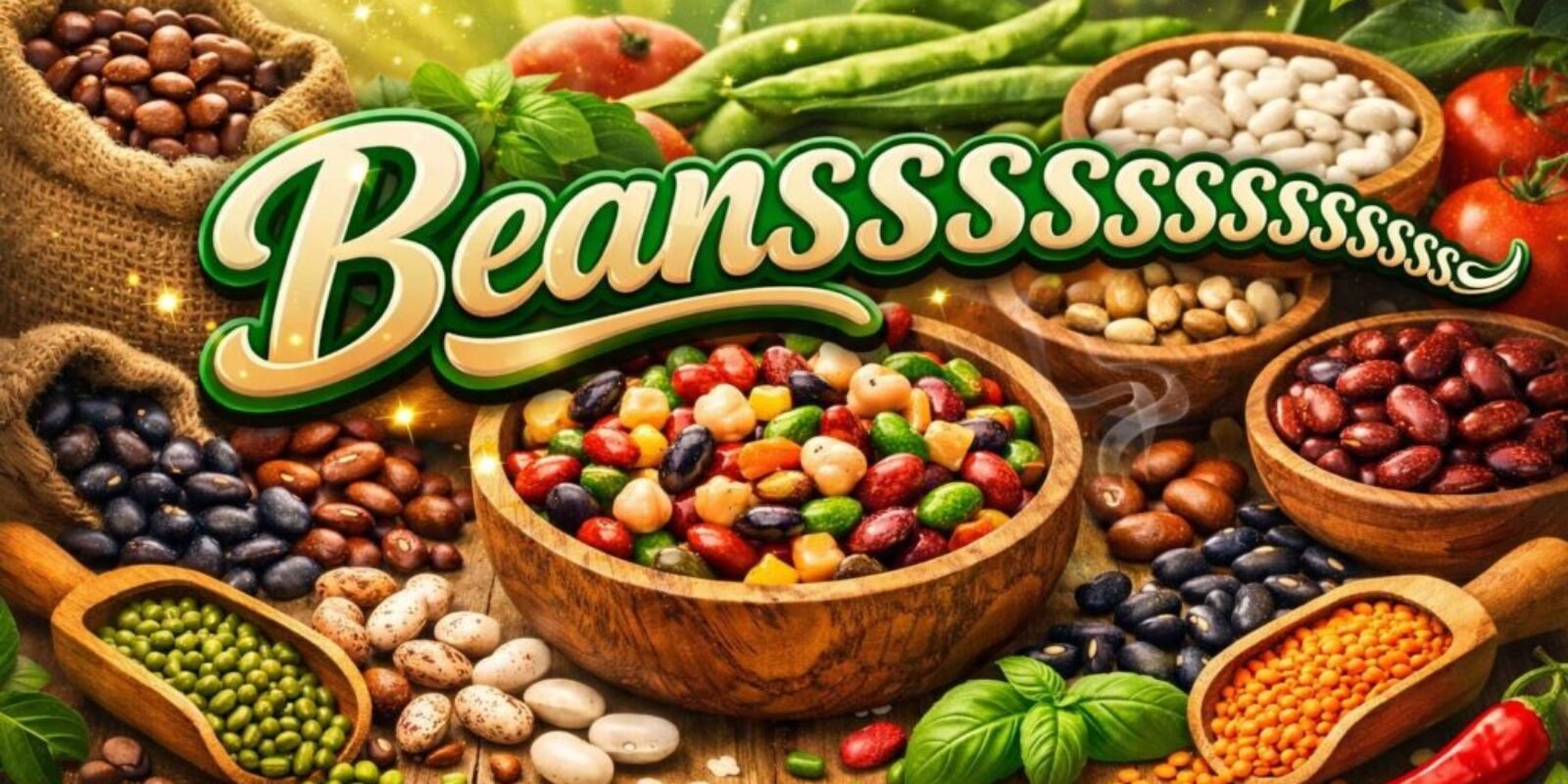
Beanssssssssssssssssssssssssssssssss ssssssssssssssssssss
Beanssssssssssssssssssssssssssssssssssssssssssssssssssss appears at first glance to be meaningless, yet it reflects a recognizable pattern in online communication. It represents exaggerated, stretched wording used to create humor, randomness, or attention in digital spaces. Rather than carrying a fixed definition, it functions as a stylistic expression shaped by context, audience, and platform culture.
From an informational and evaluation perspective, this type of content highlights how modern communication has shifted toward informal, expressive patterns. Users are not always seeking clarity or depth. In many cases, they are engaging in shared humor, quick reactions, or low-effort interaction. Understanding this helps separate meaningful content from noise, which is important for both readers and content creators.
What does “Beanssssssssssssssssssssssssssssssssssssssssssssssssssss” actually represent online
This type of expression represents exaggerated humor and intentional randomness rather than a literal message. It is commonly used to evoke a reaction, not to communicate structured information. The repetition of letters adds emphasis, turning a simple word into something visually and emotionally noticeable.
In practice, it reflects a broader behavior where users stretch or distort language to stand out in fast-moving feeds. The meaning depends heavily on context. In some cases, it signals excitement or absurdity. In others, it is simply filler used to participate in a conversation without adding substance.
A common mistake is assuming there is a hidden meaning behind such expressions. Most of the time, there is none. Overanalyzing it can lead to confusion. Instead, it is more useful to view it as a form of digital body language, similar to tone or facial expression in offline communication.
Why do random expressions like this gain attention
Random and exaggerated expressions gain attention because they break expected patterns. When users scroll through predictable text, something unusual immediately stands out. The stretched format disrupts normal reading flow, which increases the chance of engagement.
Another reason is cognitive ease. Simple, absurd content requires very little effort to understand. People can react instantly without needing context or analysis. This makes it highly shareable, especially in environments where attention spans are short.
There is also a social factor. Participating in this style of communication signals belonging to a group or community. However, relying on randomness alone can reduce credibility over time. Content that lacks substance may gain short-term engagement but often fails to build long-term value or trust.
Also Read: Meaimee 3: What It Is and Why It’s Gaining Attention
Where is this type of content commonly used
This type of expression is most commonly found in informal digital spaces such as comment sections, chat platforms, and meme-driven communities. These environments prioritize speed, humor, and relatability over structure or clarity.
It is often used as a reaction rather than a standalone message. For example, users may respond with exaggerated words to show amusement, confusion, or sarcasm. In these contexts, the value lies in emotional expression rather than informational content.
A key consideration is platform context. What works in a casual chat may not translate well to professional or informational settings. Misusing this style in formal communication can create confusion or reduce perceived expertise. Understanding where it belongs is essential for effective communication.
Is there any practical value behind it
The practical value of this type of expression lies in engagement and relatability, not in information delivery. It can help create a sense of connection, lighten tone, or make interactions feel more human. In the right context, it supports social bonding and informal communication.
However, its limitations are significant. It does not convey detailed meaning, support decision-making, or provide reliable information. For content intended to inform or educate, relying on this style can weaken clarity and authority.
A common mistake is overusing such expressions in content that requires structure and trust. While it may attract initial attention, it can reduce long-term effectiveness. The key is balance. Use expressive elements sparingly and only where they enhance, rather than replace, meaningful content.
How should you interpret and respond to it
The most effective way to interpret this type of content is to focus on context rather than the words themselves. Ask what role it plays in the interaction. In most cases, it is a signal of tone, not a message that requires analysis.
When responding, match the environment. In casual settings, a light or equally informal reply is appropriate. In structured discussions, it is better to redirect toward clarity and substance. This helps maintain the purpose of the conversation without dismissing the other person.
Avoid treating it as serious input in decision-making or research contexts. It is not designed for that purpose. Recognizing its role allows you to engage appropriately while keeping communication effective and relevant.
Also Read: Thelowdownunder Travel: Guide to Better Travel Planning Decisions
Conclusion
“Beanssssssssssssssssssssssssssssssssssssssssssssssssssss” is not a concept with inherent meaning, but it reflects a broader pattern in digital communication where expression often outweighs substance. It serves as a tool for humor, attention, and social interaction rather than information.
Understanding this distinction is important for evaluating content online. Not everything is meant to inform or guide decisions. Some content exists purely for engagement. Recognizing when that is the case helps maintain clarity, improve communication, and focus attention on what truly provides value.
Frequently Asked Questions (FAQs)
1. What does “Beanssssssssssssssssssssssssssssssssssssssssssssssssssss” mean online?
“Beanssssssssssssssssssssssssssssssssssssssssssssssssssss” is an exaggerated, stretched expression used in digital spaces to convey humor, randomness, or emotional reaction. It doesn’t have a fixed definition but is recognizable as a playful or absurd form of communication that stands out in fast-moving feeds.
2. Why do people use exaggerated words like this on the internet?
Users often use stretched words to grab attention, convey emotion, or participate in meme culture. These expressions are visually striking and easy to react to, making them popular in casual chats and social media threads.
3. Where are these expressions most commonly seen?
Such content is frequently found in comment sections, chat platforms, and online communities where humor and relatability are prioritized over structured information. They often serve as reactions rather than meaningful messages.
4. Is there any real value to using this style of communication?
The primary value lies in engagement and emotional expression. It helps users convey tone, connect socially, or entertain. However, it does not provide factual information or decision-making guidance, so its usefulness is context-dependent.
5. How should I respond if someone uses this expression?
Interpret it as a tone or reaction rather than a literal message. In casual spaces, a playful or light response works well. In professional or informational settings, it’s best to redirect the conversation toward clarity and meaningful content.