
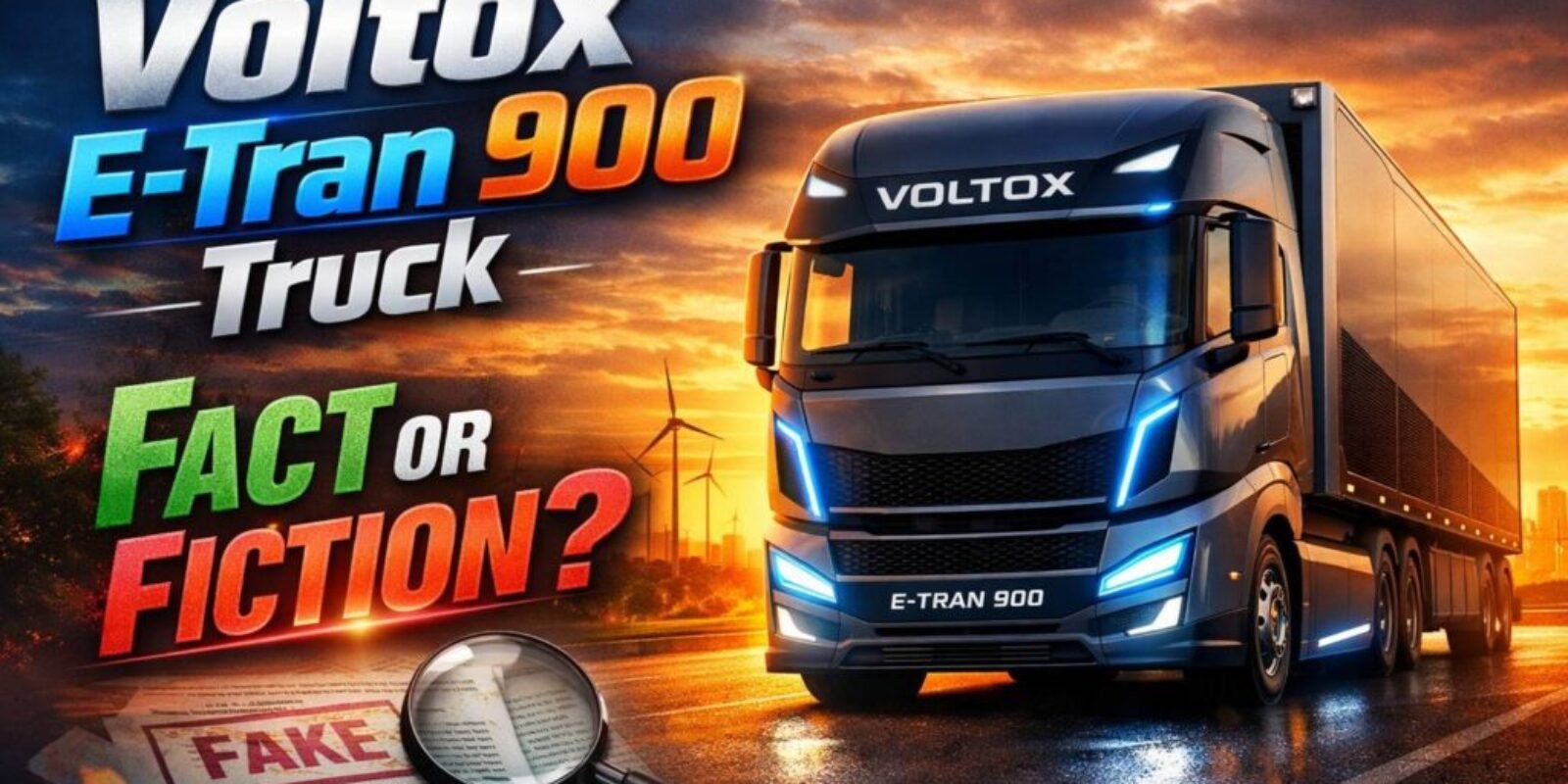
Voltox E-Tran 900 Truck: How to Verify Its Legitimacy
The Voltox E-Tran 900 truck has sparked curiosity online, but there is little evidence to suggest it is a verified, commercially available vehicle. The name appears in listings, forums, and discussions, creating uncertainty for buyers and enthusiasts alike. While the growing electric truck market is attracting attention, not every name represents a real product, and the Voltox E-Tran 900 truck falls into a category that requires careful evaluation before trusting claims.
Understanding the reality behind such models is important for anyone exploring electric transport solutions. Verified trucks come with official specifications, safety certifications, and manufacturer support. Without these, a vehicle may be misrepresented or even entirely fictional. Learning how to identify legitimacy and comparing real alternatives ensures decisions are grounded in practical, long-term value rather than hype or unverified listings.
What is the Voltox E-Tran 900 truck and does it actually exist
There is no reliable record of a truck officially released under this name by a recognized manufacturer. No verified specifications, production details, or company background support its existence. This strongly suggests that the name is either inaccurate, unofficial, or not tied to a real product in the commercial vehicle market.
In established automotive ecosystems, even early prototypes leave a trace through press releases, regulatory filings, or industry coverage. The absence of these signals is a red flag. It is possible that the name comes from a listing, a reseller description, or a misunderstanding of another model with a similar sounding brand.
Another possibility is that it refers to a localized or modified vehicle with a custom label. Small workshops or importers sometimes rename vehicles for marketing purposes. However, without documentation, such cases remain difficult to verify and should be approached carefully.
In practical terms, if a truck cannot be traced back to a manufacturer, it should not be treated as a dependable or proven option. Buyers should assume uncertainty until credible information is available.
Why are people searching for this model online
Interest in this name is likely driven by growing demand for electric transport solutions. As more businesses look for cost efficient and environmentally friendly trucks, unfamiliar model names begin to circulate through listings, forums, and resale platforms.
Search behavior also reflects curiosity triggered by unusual or technical sounding names. A combination of “e-tran” and a numeric identifier like “900” gives the impression of a structured product line, which can make it seem credible even without supporting evidence.
Another factor is content recycling. Once a name appears on a marketplace or low quality website, it can spread quickly through copied listings and automated pages. This creates the illusion of legitimacy through repetition rather than proof.
In some cases, misleading naming is used intentionally to attract attention. Buyers looking for modern electric trucks may assume they are discovering a new model, when in reality they are encountering incomplete or inaccurate information.
Also Read: Thelowdownunder Travel: Guide to Better Travel Planning Decisions
How can you verify whether a truck model is legitimate
The most direct way to confirm a vehicle’s legitimacy is to identify the manufacturer and check their official channels. A real truck model will appear on the company’s website, in product catalogs, or through authorized dealer networks.
Next, look for consistent technical specifications. Genuine vehicles have detailed data including battery capacity, range estimates, payload limits, and safety certifications. Vague or missing specifications often indicate unreliable listings.
Third party validation is equally important. Industry publications, regulatory bodies, and transport authorities typically document new vehicle releases. If none of these sources mention the model, its credibility becomes questionable.
Finally, check for after sales infrastructure. Real manufacturers provide service networks, warranties, and spare parts availability. A model without this support is not practical for long term use, even if it physically exists in some form.
What should you consider before trusting unfamiliar vehicle listings
Before trusting any unfamiliar truck listing, focus on the source rather than the description. Listings from verified dealers or known platforms carry more weight than anonymous posts or newly created websites.
Pricing is another important signal. If a vehicle claims advanced electric capabilities but is priced significantly below market expectations, it may indicate misleading information or hidden limitations. Unrealistic pricing often targets inexperienced buyers.
Documentation should always be requested. This includes registration papers, manufacturer certificates, and import records where applicable. Without these, ownership and compliance issues may arise later.
It is also wise to consider long term usability. Even if the vehicle is real, lack of spare parts, trained technicians, or software support can turn it into a costly liability. Practical ownership matters more than initial appeal.
Are there real alternatives that match what people expect from this truck
While this specific name lacks verification, there are many legitimate electric trucks available that offer the features people are likely searching for. These include urban delivery vehicles, medium duty trucks, and emerging heavy duty electric platforms.
Established manufacturers provide models with defined performance metrics, including battery range suitable for city logistics and predictable charging requirements. These vehicles are designed with real world usage in mind rather than just marketing appeal.
Buyers typically expect efficiency, lower operating costs, and reduced emissions. Verified electric trucks deliver these benefits when used within their intended range and load capacity. Choosing a known model ensures that expectations align with actual performance.
Exploring recognized options also provides access to support networks, financing solutions, and resale value. These factors are essential for businesses that depend on reliability and long term planning.
Also Read: Meaimee 3: What It Is and Why It’s Gaining Attention
Conclusion
The name “voltox e-tran 900 truck” does not currently align with any confirmed or documented vehicle in the market. While it may appear credible at first glance, the lack of verifiable information suggests caution.
Understanding how to evaluate such cases helps avoid confusion and protects against poor decisions. By focusing on manufacturer credibility, technical transparency, and practical support, buyers can separate genuine vehicles from uncertain listings. In a rapidly evolving electric transport landscape, clarity and verification remain more valuable than unfamiliar names.
Frequently Asked Questions (FAQs)
1. What is the Voltox E-Tran 900 truck and does it really exist?
Many people wonder if the Voltox E-Tran 900 truck is a real, commercially available vehicle. Currently, there is no verified record of this model from any recognized manufacturer, and no official specifications or press releases confirm its existence. It may appear in online listings or discussions, but without credible sources, it should be treated with caution.
2. Why is the Voltox E-Tran 900 truck name appearing online?
The name spreads online due to curiosity, repeated listings, or mislabeling of other vehicles. Sometimes, it can also appear on platforms trying to attract attention with technical-sounding names, even when no actual product exists.
3. How can I check if a truck model is legitimate?
You can verify legitimacy by checking the manufacturer’s official website, dealer networks, and trusted automotive publications. Look for consistent specifications, certifications, and available after-sales support to confirm that a model is real.
4. Are there risks associated with buying unverified trucks?
Yes. Risks include inaccurate specifications, missing safety certifications, unavailable spare parts, and lack of warranty or technical support. Unverified vehicles can lead to financial loss or operational issues for businesses.
5. What real electric trucks could serve as alternatives?
Several legitimate electric trucks exist, including models from Volvo Trucks, Mercedes-Benz eActros, and other established manufacturers. These options provide verified range, payload capacities, and support networks suitable for urban and commercial logistics.